
The Myth of Transparency
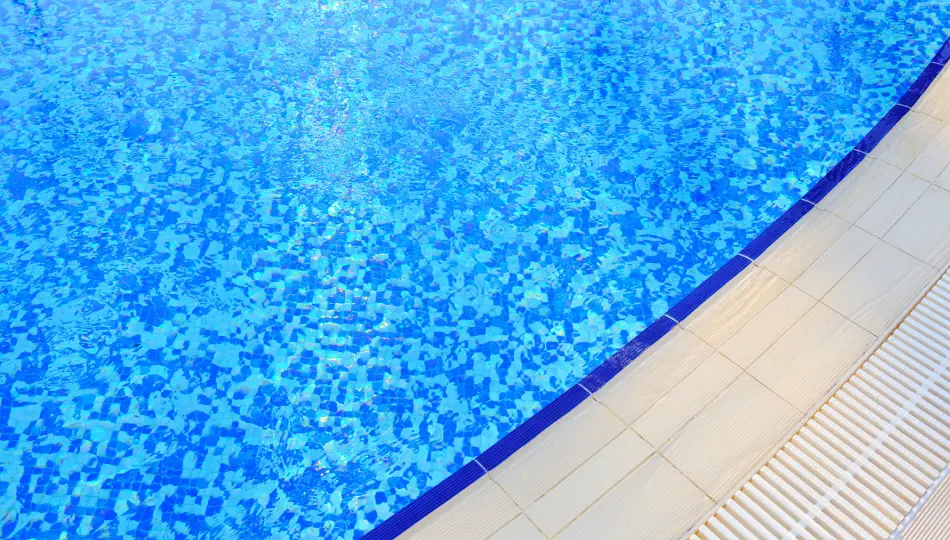
The Myth of Water Clarity: Why Clear Water Can Be Unsafe
Water transparency is a physical characteristic (absence of suspended particles) that does not guarantee biological safety.
Microscopic Pathogens
The main danger comes from bacteria (e.g., E. coli or Pseudomonas aeruginosa — one cause of “swimmer’s ear”) and viruses (adenoviruses, hepatitis A). Their size is measured in microns, and they do not scatter light enough for the human eye to notice. Water can be crystal clear yet contain a dangerous concentration of microbes.
Biofilms
Microorganisms often attach to the walls of the pool, tile seams, and inside pipes, forming a slippery layer (biofilm). This layer protects bacteria from chlorine. Clear water in the center of a pool can exist right next to colonies of bacteria on its walls.
Anthropogenic Load
Humans constantly release organic matter into the water (sweat, skin oils, skin flakes). These substances are invisible but provide an ideal food source for rapid pathogen growth.
Open Pools as an Ecosystem
Unlike indoor pools, open-air pools are exposed to aggressive environmental factors:
Photodestruction of Chlorine
Ultraviolet rays from the sun break down free chlorine. Without special stabilizers (cyanuric acid), chlorine levels in an outdoor pool can drop by 90% in just 2 hours of sunlight.
Organic Debris
Wind carries algae spores, pollen, and dust. Rain alters the water’s chemical composition, often reducing alkalinity and changing pH.
Zoonotic Factors
Birds, pets, and humans themselves can introduce microorganisms such as Cryptosporidium and Giardia. These protozoa form protective shells (cysts) that make them resistant to chlorine.
Practical implication: Even at normal chlorine levels, these microorganisms can survive in water much longer than typical bacteria.
Chemical Relationship Between pH and Chlorine
This is the most critical aspect of pool maintenance. Disinfection effectiveness depends not just on the amount of chlorine, but on its “active form.”
- pH Scale: Optimal pool range is 7.2–7.4, matching the pH of the human eye and mucous membranes.
- Chemical Reaction: When chlorine dissolves in water, it forms hypochlorous acid (HOCl) — the compound that actually kills microbes.
- At pH 7.0, active HOCl is ~75% of total chlorine.
- At pH 8.0, it drops to ~25%.
Conclusion: High pH means adding large amounts of chlorine may be ineffective because it becomes “inactive” and does not kill bacteria.
Chloramines
Chlorine reacts with organic matter (sweat, cosmetics, urea) to form chloramines — bound chlorine. These cause eye irritation and the characteristic “chlorine smell,” not an excess of free chlorine. Poor pH balance and insufficient disinfection accelerate their accumulation.
Medical Consequences of Contamination
Insufficient disinfection leads to three main groups of diseases:
- Respiratory and gastrointestinal infections: Swallowing water with norovirus or Giardia can cause acute diarrhea and vomiting.
- “Swimmer’s ear” (External otitis): Stagnant water in the ear canal becomes a breeding ground for Pseudomonas aeruginosa, causing pain and swelling.
- Dermatological issues: Besides rashes (“pool folliculitis”), contaminated water can spread fungal infections of the feet and molluscum contagiosum.
Bacteriological Analysis: Why It Takes Time
According to our brochure (Private Pool Maintenance), lab testing takes 48–96 hours. This is the time needed for the laboratory cycle. In some cases, testing may take longer depending on the method and type of microorganism.
Process:
- Plating: Water samples are placed on nutrient media where bacteria can grow.
- Incubation: Plates are kept at 37°C to mimic human body temperature.
- Growth: Bacteria must multiply into visible colonies before counting and identifying the pathogen.
Implication: This analysis does not provide instant results — it reflects the real situation with a time delay.
Conclusion
If water can look clean yet remain unsafe, the main question arises:
How can its quality be accurately assessed?
The answer lies in monitoring key water parameters.
Clear water, like clear air, does not guarantee the absence of viruses.
Next, we will examine which parameters truly control water quality.