The table below shows approximate inactivation times for microorganisms in properly maintained, chlorinated pool water. The reference conditions are close to CDC (U.S. Centers for Disease Control and Prevention) recommendations: free chlorine around 1 ppm, pH 7.2–7.8...
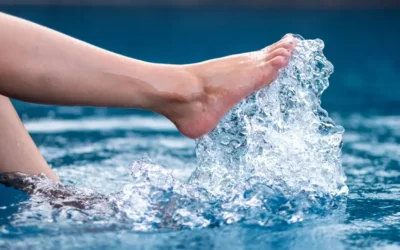
Dosing Stations and Water Parameter Analysis
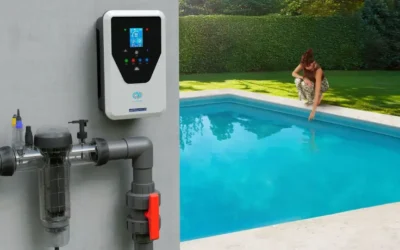
Automation: Who Monitors the Water When You Are Not There? The water in a swimming pool is a dynamic environment that changes every minute. Swimming, hot sun, or rain instantly affect pH and chlorine levels. Even the most professional service cannot be present at the...
Water Testers – How can you if water is safe?
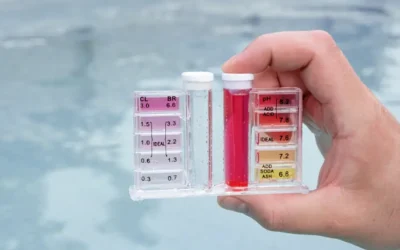
How can you really know if pool water is safe? Water clarity is just the tip of the iceberg. Beneath a perfect appearance, invisible processes can occur: excess chemicals or bacterial growth. To know the true water condition, various monitoring methods are used....
Water Balance
Alkalinity Low alkalinity (below 80 mg/L): pH becomes unstable. Any external factors — rain, adding chemicals, swimming — can cause sharp pH fluctuations. High alkalinity: pH becomes difficult to adjust. Even adding acid lowers it slowly and reluctantly. Normal range:...
The Myth of Transparency
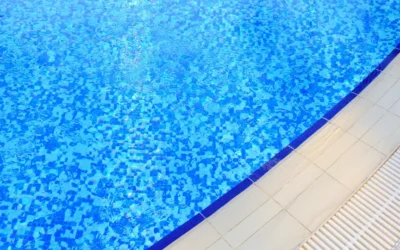
The Myth of Water Clarity: Why Clear Water Can Be Unsafe Water transparency is a physical characteristic (absence of suspended particles) that does not guarantee biological safety. Microscopic Pathogens The main danger comes from bacteria (e.g., E. coli or Pseudomonas...